Why Emailing Case Notes Is Riskier Than Most Providers Realise
Learn why emailing NDIS case notes can create participant data privacy risks and how secure case note sharing works better through centralised documentation software.
· MyCaseNote
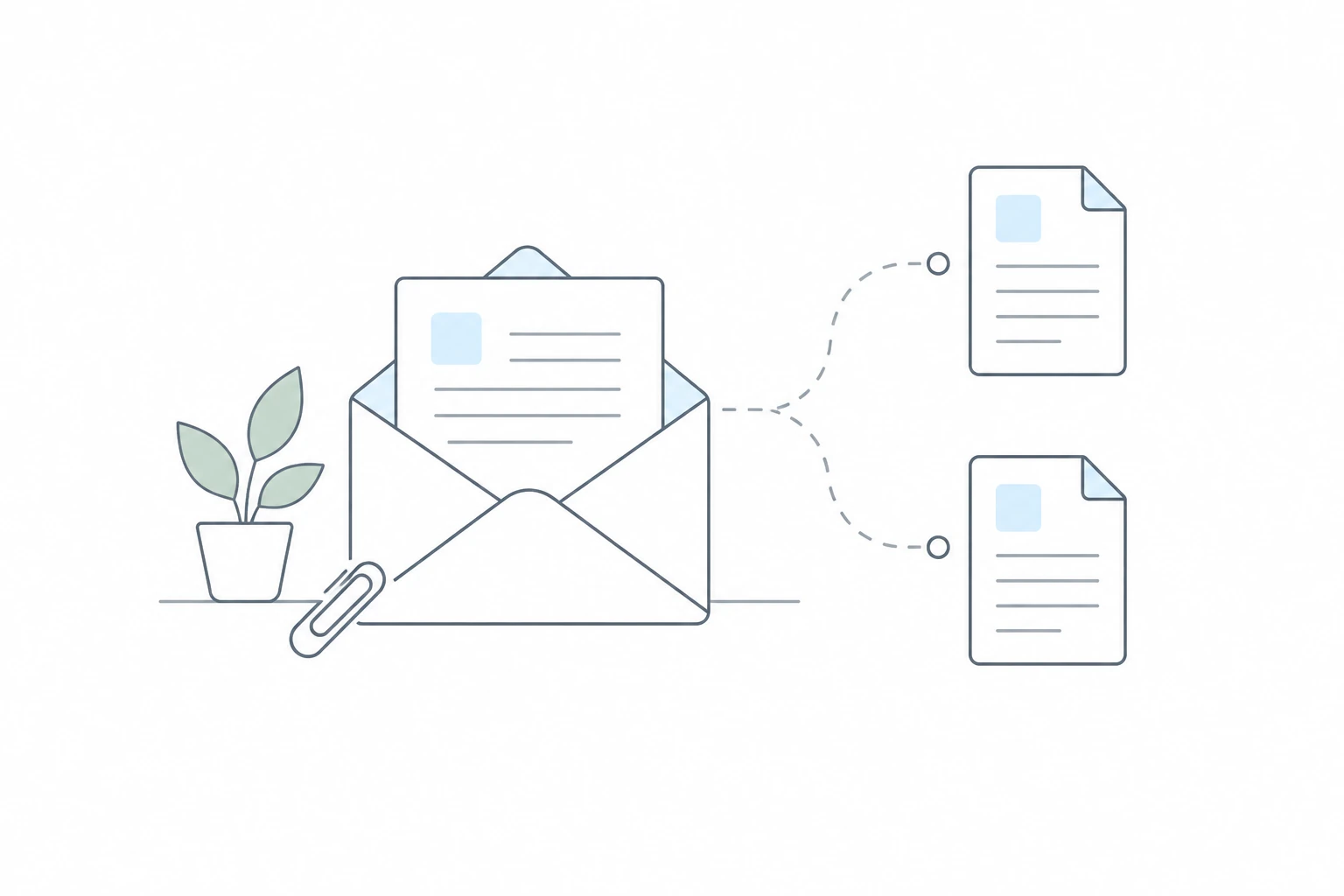
For many NDIS providers, emailing case notes has become routine.
A support worker writes notes, exports a document, and sends it to:
- Coordinators
- Managers
- Allied health professionals
- Admin staff
It feels quick and convenient.
But emailing participant information creates more risk than many providers realise.
If your team is reviewing secure documentation more broadly, read this alongside our guide on how to securely store NDIS case notes and participant data.
The Problem With Email-Based Documentation Workflows
Email was never designed to be a secure documentation system.
Once a case note is attached to an email:
- Copies can spread easily
- Files may be downloaded onto personal devices
- Information may be forwarded unintentionally
- Records become difficult to track
Even simple mistakes can expose sensitive participant information.
This is especially risky when case notes contain information about health, behaviour, medication, incidents, family circumstances, or goals.
Common Risks When Emailing Case Notes
Sending Information to the Wrong Person
A mistyped email address can instantly send sensitive participant information outside the organisation.
Once that happens, the provider may need to investigate what was shared, who received it, and what steps are required under privacy obligations.
Multiple Uncontrolled Copies
Once attachments are downloaded, providers often lose visibility over:
- Where files are stored
- Who accessed them
- Whether outdated versions still exist
This makes secure case note sharing harder to manage over time.
Lack of Accountability
Email chains make it difficult to track:
- Who edited documentation
- Which version is current
- Whether information was reviewed properly
For providers that need clearer accountability, case note audit trails and approval workflows are usually better foundations than long inbox threads.
Why Centralised Case Note Systems Are Safer
Modern documentation systems reduce risk by keeping records in a centralised platform instead of sending files between people.
This helps providers:
- Maintain version control
- Restrict access
- Improve accountability
- Reduce accidental sharing
A centralised platform also makes it easier to combine structured documentation, participant management, and secure NDIS case notes in one workflow.
What Providers Should Look For Instead
Role-Based Permissions
Staff should only access information relevant to their role.
MyCaseNote supports staff access control, including roles, participant restrictions, and service stream permissions.
Audit Trails
Providers should be able to see:
- Who viewed records
- Who edited notes
- When changes occurred
Audit trails support stronger accountability and make record review less dependent on email history.
Encrypted Participant Data
Encryption helps protect sensitive participant information.
MyCaseNote encrypts case note content and sensitive participant fields as part of its encrypted case notes feature.
Approval Workflows
Structured review processes reduce documentation errors and confusion.
Instead of emailing a file for review, providers can use case note approval workflows so submitted notes, approvals, and rework stay connected to the record.
Secure Authentication
If a platform holds sensitive participant records, account security matters too.
MyCaseNote supports self-serve MFA so users can add authenticator-app MFA from profile settings.
How MyCaseNote Approaches Secure Documentation
At MyCaseNote, case note content and sensitive participant fields are encrypted to help providers manage sensitive information more securely.
Instead of relying on scattered email chains and exported documents, providers can manage documentation within a structured platform designed for case note workflows.
That includes:
You can also review the MyCaseNote Security page and Privacy Policy for more detail.
Final Thoughts
Email may feel convenient, but it creates significant challenges for securely managing participant documentation at scale.
As providers grow, structured and secure documentation systems become increasingly important for protecting both participants and staff.